
How to Start a Coworking Space Business in Dubai, UAE
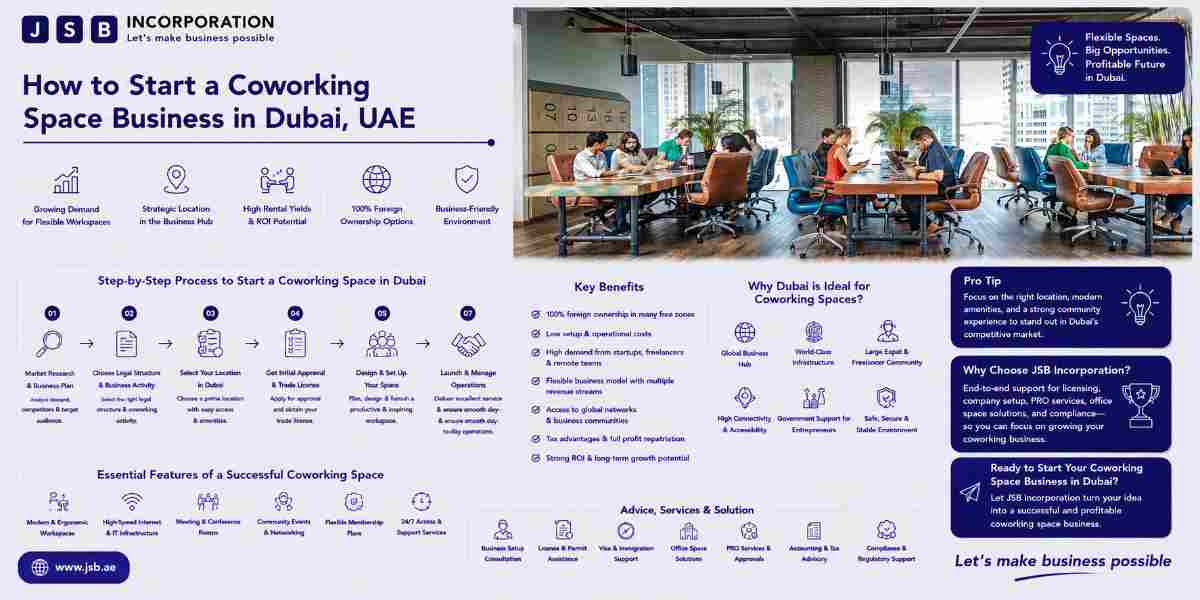
Quick Summary A coworking operator needs either a mainland trade licence from Dubai’s Department of Economy and Tourism (DET) or a free zone licence issued under the Ministry of Economy and Tourism’s (MOET) free zone framework. Mainland licensing lets you serve clients anywhere in the UAE, while free zone licensing usually limits you to that […]
IFZA Business Setup in 2026: Why Consulting and Professional Firms Keep Choosing This Free Zone
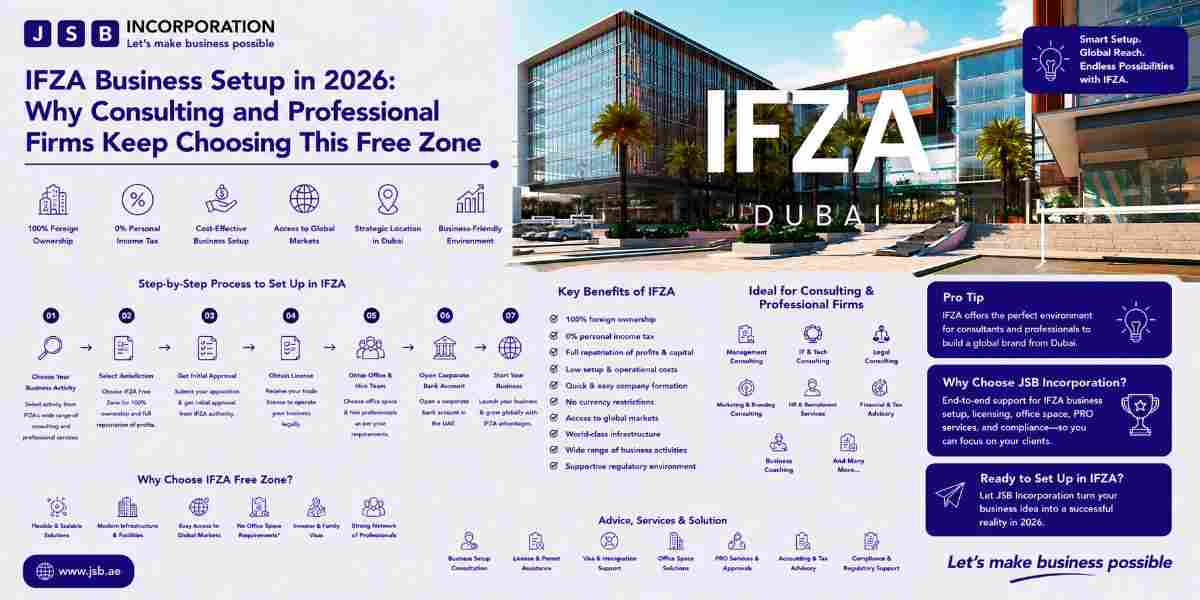
Key Highlights IFZA’s 2026 professional licence starts at AED 11,900 for zero visas and rises to AED 20,900 for four or more visas. You get up to three business activities included, full foreign ownership, and no mandatory paid-up capital. Extra fees to budget for include the AED 2,000 cross-activity charge and AED 3,750 per two-year […]
Crypto and Commodities Trading Setup in DMCC: A Paperwork-Heavy, Not Ship-Heavy Business
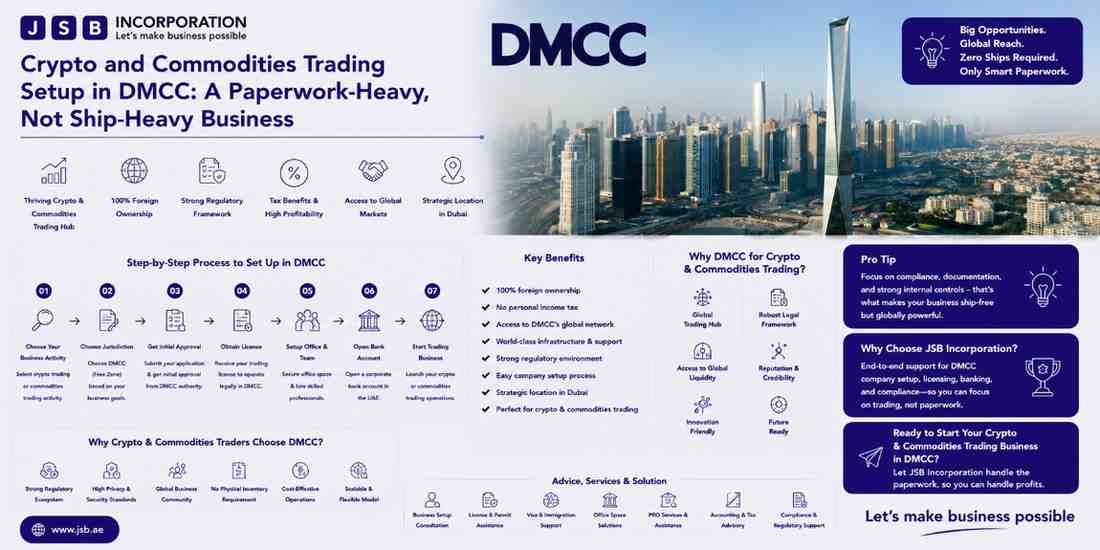
Quick Answer A DMCC crypto or commodities setup is document-driven: passports, KYC files, and a signed Memorandum of Association matter more than shipping infrastructure. Proprietary crypto trading runs on a DMCC licence plus a VARA No Objection Certificate; client-facing crypto work needs a full VARA licence. DMCC’s trading licence costs AED 20,285 a year, plus […]
Renewable Energy Business Setup in UAE 2026: A Stable Operating Environment for Power Generation
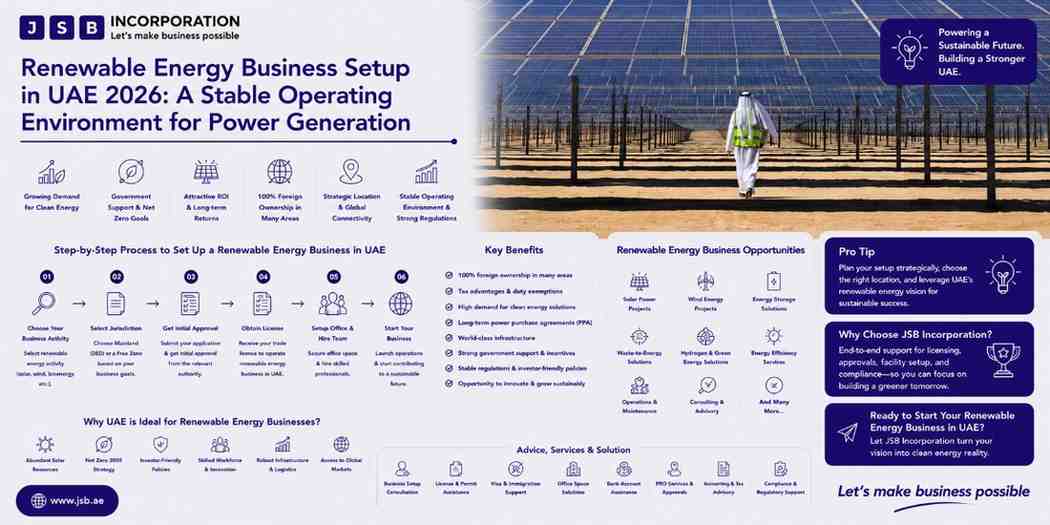
Quick Answer Renewable energy in the UAE is backed by federal policy, not marketing language. The UAE Energy Strategy 2050 commits AED 150 billion to AED 200 billion in energy investment by 2030. Free zones suit trading and consultancy activities with full foreign ownership. Mainland licences suit government tenders and physical installation work. Setup runs […]
Healthcare Business Setup in UAE (2026): Licensing Guide, Costs, and Why the Market Window Is Open Now
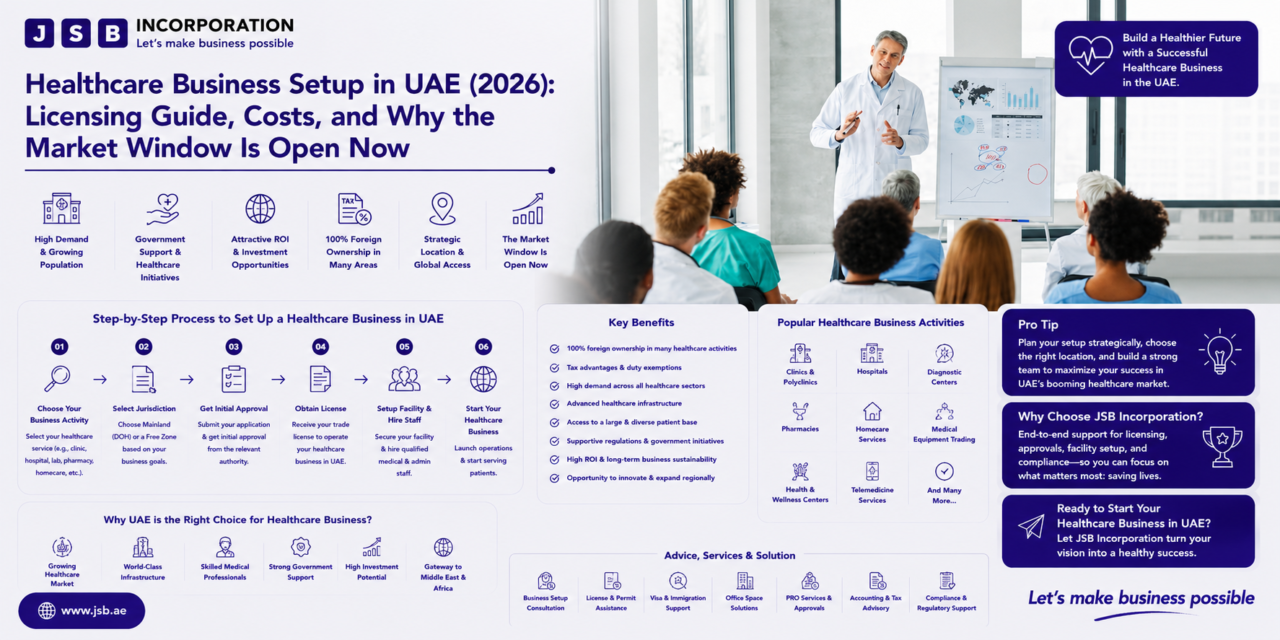
Key Highlights UAE healthcare licensing needs both a trade licence and a facility licence from DHA, DOH, or MOHAP, and a licence from one emirate does not cover another. Foreign investors can typically own 100% of a mainland healthcare company under the UAE Commercial Companies Law, subject to activity-specific conditions. Healthcare investors and specialist doctors […]
What Is a UAE Free Zone and Why Do International Investors Choose One?
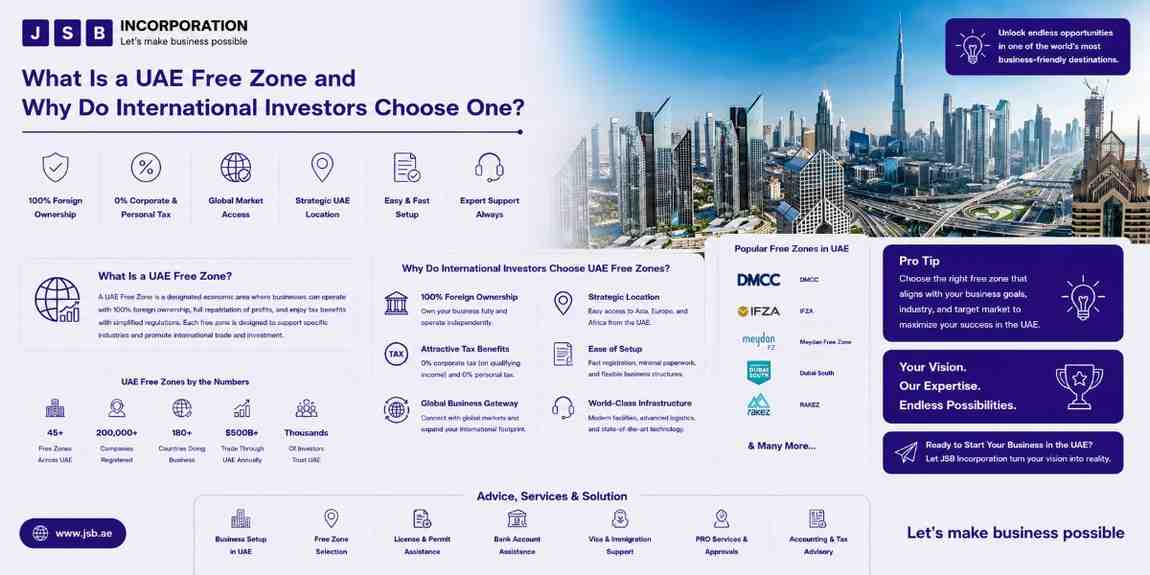
Summary UAE free zones offer 100% foreign ownership, full profit repatriation, and independent regulation, distinct from mainland setup. The right zone depends on your activity. Commodities and trading favor JAFZA or DMCC. Cost-efficient multi-activity setups favor IFZA. Free zone entities can qualify for a 0% corporate tax rate on qualifying income as a Qualifying Free […]
How to Choose the Right Free Zone in the UAE: 2026 Step-by-Step Guide
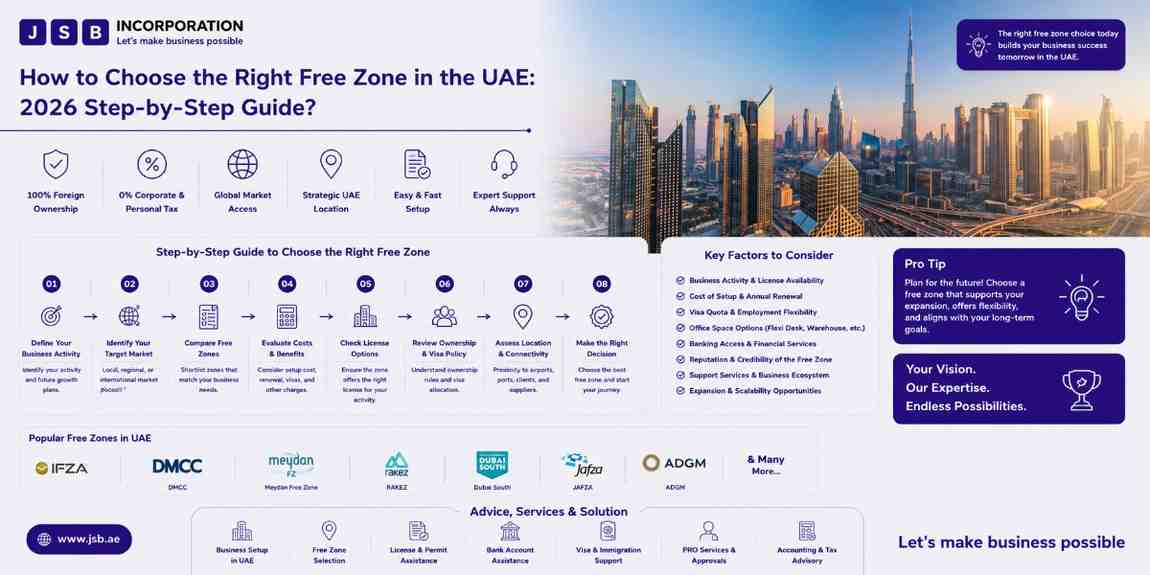
Key Highlights A free zone provides 100% foreign ownership and zero customs duties for international trading. Direct business-to-consumer trading within the local market requires a mainland company structure or a dual licence. Setup costs include the trade licence fee, establishment card, and residence visa processing. Federal Decree-Law No. (20) of 2025 legally codifies the ability […]
Why Are UK Businesses Setting Up in Dubai in 2026?
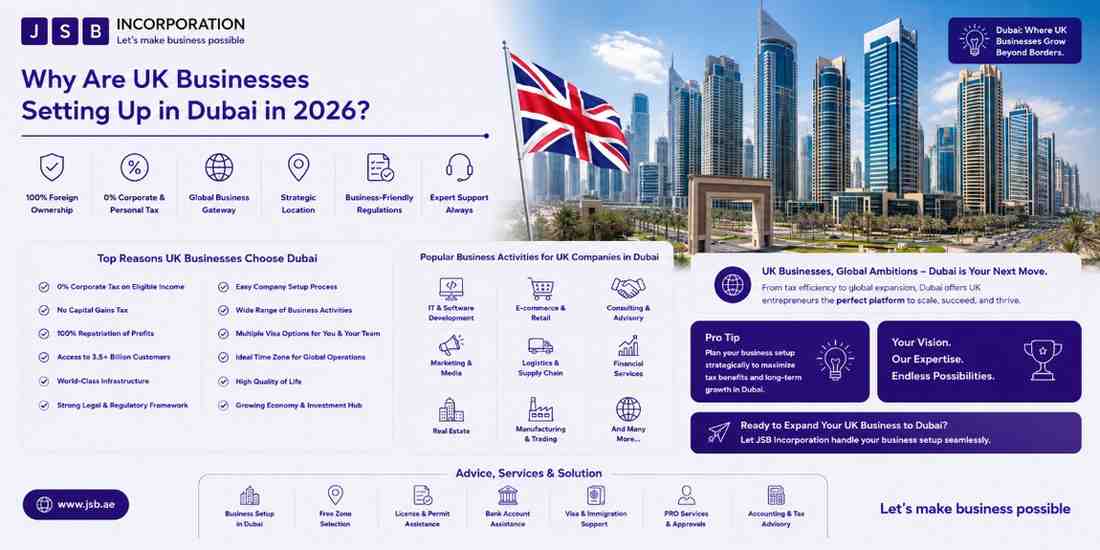
Key Highlights UK nationals can own 100% of most mainland companies and all free zone companies in Dubai, with no local sponsor for the majority of activities. Free zone setup typically starts from AED 12,000 to AED 34,000 in year one; mainland setup runs from AED 15,000 to AED 50,000 or more. Corporate tax is […]
Free Zone or Mainland: Which UAE Company Structure Fits Your Business?
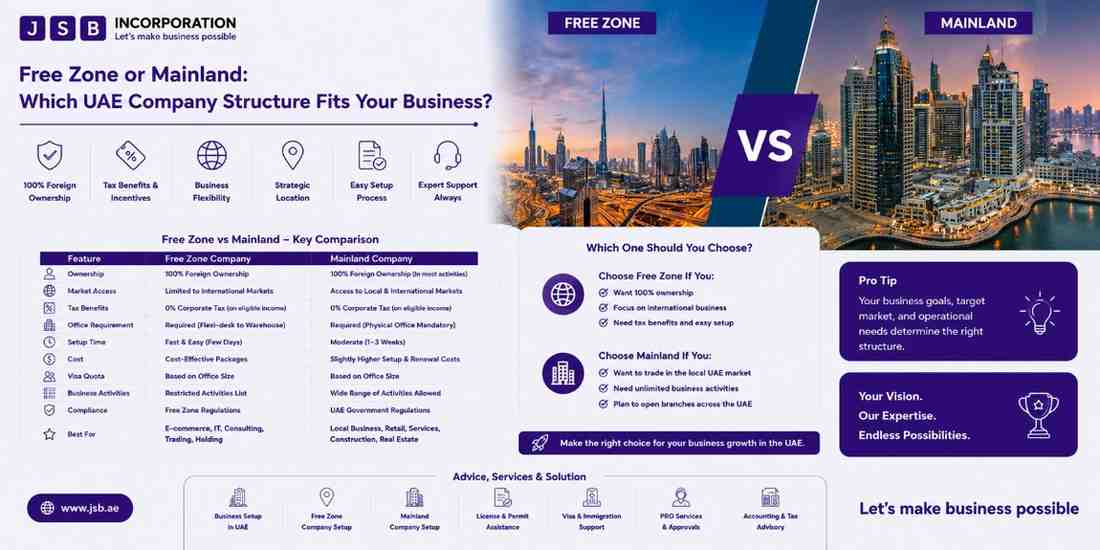
Key Highlights Free zone companies suit businesses that don’t need to sell directly inside the UAE mainland market. Mainland companies let you trade with any UAE customer and bid on government tenders without restriction. Corporate tax applies at 0% up to AED 375,000 in taxable income and 9% above it. Qualifying Free Zone Persons (QFZP) […]
How to Get an Industrial License for EV Manufacturing in UAE
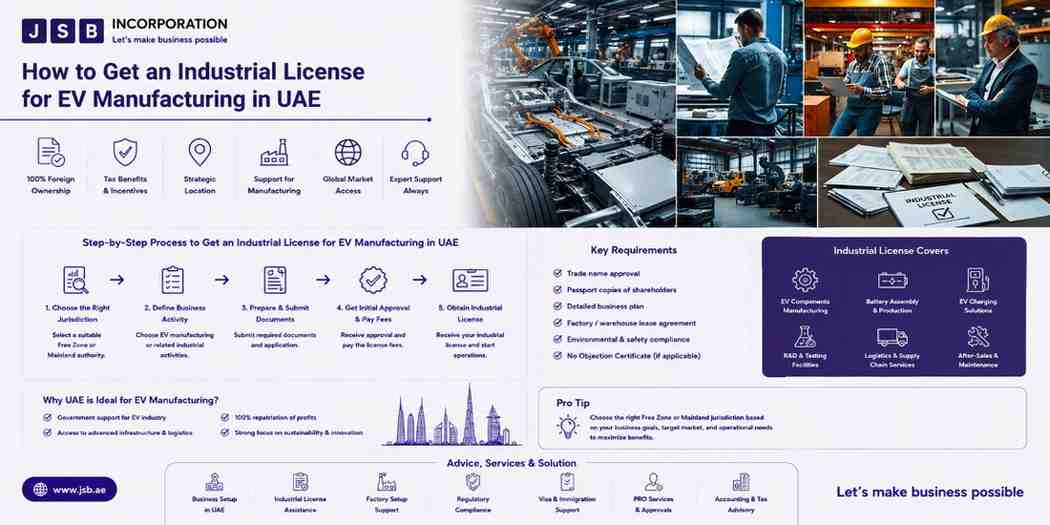
Key Highlights EV and auto-component manufacturers in the UAE need two separate approvals. A mainland industrial trade license and a federal MoIAT Industrial Production License are both required before legally operating a factory. The MoIAT Industrial Registry was established under Federal Decree-Law No. 25 of 2022. It unlocks customs duty exemptions on machinery, equipment, and […]